
There is a particular sound an old bike makes when it finally catches after sitting. It is not smooth. It coughs, it clears its throat, and then it settles into that uneven idle that tells you everything is more or less where it should be. I ride a 1981 Honda, and I do my own work on it. That is not a flex. Around here, if you want to keep old iron alive, you learn to turn the wrenches yourself, because there is no app to download and no sealed box to swap out when something goes wrong.
People ask why I bother when newer bikes start every time, sip fuel, and never leak a drop. It is a fair question. The honest answer is that I understand this machine. Every bolt, every wire, every adjustment is something I can see, touch, and fix at the side of the road or in a cold shed in Pictou County. That kind of understanding is worth more to me than push-button convenience, especially when money is tight and winter is long.
Carburetors and the Ethanol Problem
If you own anything with carburetors today, you already know the main enemy, and it is not age. It is modern fuel. Gasoline blended with ethanol was never made with a 1981 fuel system in mind. Leave that fuel sitting in a bowl over winter, and it absorbs moisture, leaves varnish behind, and plugs the tiny jets that make a bike idle properly. Come spring, the bike will start on choke, die when you touch the throttle, and run like it is underwater.
The fix is not mysterious, but it is tedious. You pull the carbs, you clean every passage, you check float heights, and you replace the little rubber bits that ethanol has swollen or cracked. Do it once and do it right, and the bike rewards you. Rush it, and you will be pulling them again next weekend.
A few habits help more than any additive on a shelf:
- Drain the bowls if the bike will sit for more than a few weeks
- Use fresh fuel and do not store the bike with a half tank of old gas
- Run the bike regularly in season, even for a short loop, to keep fuel moving
- Keep a spare set of plugs and check them when the bike starts acting up
None of that is glamorous. It is just the tax you pay for running carburetors in an ethanol world.
Hunting Parts Without Losing Your Mind
Nobody stocks a full shelf of parts for a bike that is more than forty years old. Some things you can still order new. A lot of things you cannot. Keeping an old Honda alive means learning three skills that have nothing to do with riding: reading part numbers, cross-referencing, and knowing when used is good enough.
Manufacturers reused parts across models and years more than people realize. A switch, a cable, or a seal listed for one model often fits three others. A parts diagram and ten minutes of comparing numbers will save you from paying collector prices for something that was common as dirt when it was made. Forums and old service manuals are gold for this. Someone, somewhere, has already fought the same fight and written down what fit.
Used parts are part of the deal too. That means checking a used regulator, coil, or side cover carefully before you pay for it, asking for clear photos, and accepting that sometimes you will get burned. It also means keeping your own small stock. When you see a good used part cheap and you know yours is tired, you buy it and put it on the shelf. Old iron runs on a patience economy. The part you need is out there. It just might not be out there this Tuesday.
The Electrical Gremlins Are Real
Ask anyone who owns a bike from this era what gives them the most grief, and wiring will be near the top of the list. Forty-plus years of heat, cold, vibration, and Maritime air does a number on copper and insulation. Grounds corrode. Connectors go green. A wire that looks fine on the outside can be broken inside the insulation where you cannot see it.
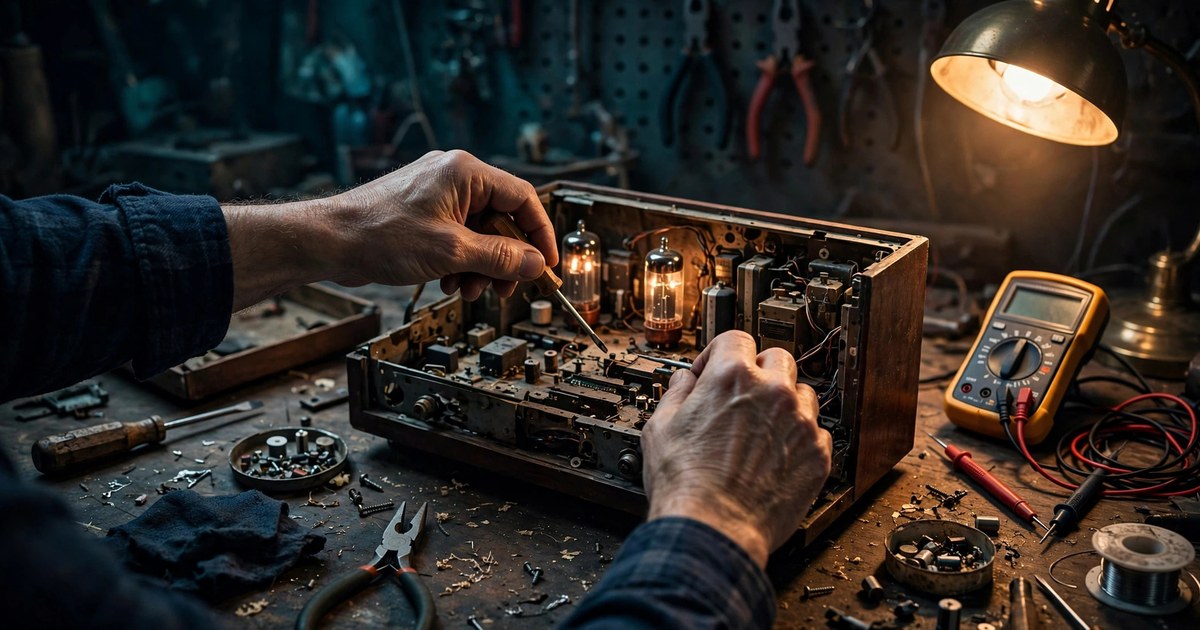
The symptoms are maddening because they come and go. Lights that work until you turn the bars. A starter that clicks one day and spins the next. A charging system that tests fine in the driveway and quits twenty minutes down the road. The only way through it is methodical. You clean every ground to bare metal. You pull connectors apart, clean them, and put them back with a little dielectric grease. You test with a multimeter instead of guessing, and you write down what you tested so you are not chasing the same wire twice.
Why a Machine You Understand Beats a Sealed One
A modern motorcycle is a better appliance. I will not argue that. It is faster, cleaner, and easier to live with day to day. But a lot of modern machines are sealed in a way that shuts the owner out. If a sensor fails, you need a dealer computer to even know which one. If a module dies, you replace the whole expensive unit. You are renting your own bike back from the manufacturer, one diagnostic fee at a time.
With a 1981 Honda, the deal is different. If it stops, I can work through fuel, spark, and compression with basic tools and figure out why. I might not fix it in five minutes, but I will not be stuck waiting on a part that only a dealer can program. That matters out here. The nearest help is not always close, shops are busy in riding season, and a tow bill can ruin your month.
The Patience Economy of Old Iron
Owning an old bike will not save you time. Anyone who tells you otherwise is selling something. What it saves you is dependence. You trade money for patience, and patience for knowledge, and after a while you realize you are not just maintaining a motorcycle. You are maintaining the ability to maintain things.
Some weekends the bike runs perfect. Other weekends you spend an hour looking for a dropped washer in the gravel. Both are part of it. If you like knowing how your machine works and keeping something honest running long past its supposed scrap date, old iron will suit you fine. It just asks one thing: do not give up the first time it makes you wait.






Comments (0)
No comments yet — be the first. Comments are moderated, so yours will show up after a quick review.